WellWaterHub.com
Your well, your water, your problem to solve.
No utility sends you a quality report and no inspector checks your pump. This is where private well owners work out what the smell is, why the pressure dropped, and which test actually answers the question.
Browse the guides ›Where to start
Six areas, from the pump in the ground to the glass on the counter.
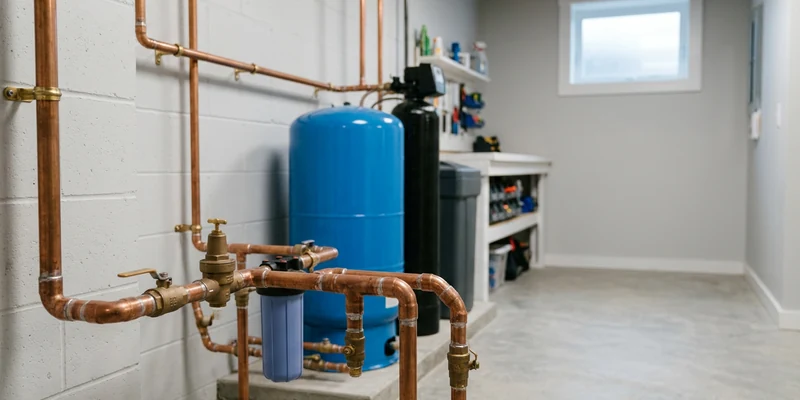 Well Pumps & Pressure ›
How the system works, what the pressure switch is telling you, and why a pump short cycles.
 Hard Water & Softening ›
Reading the hardness scale, how ion exchange works, salt, maintenance and the salt free question.
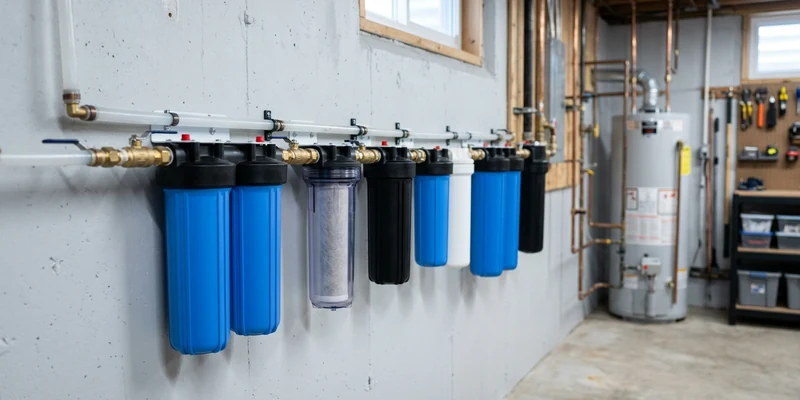 Water Filtration ›
Sediment and carbon, micron ratings, cartridge changes and reverse osmosis under the sink.
 Testing & Contaminants ›
What to test for and how often, and what a result for nitrate, lead, PFAS or bacteria means.
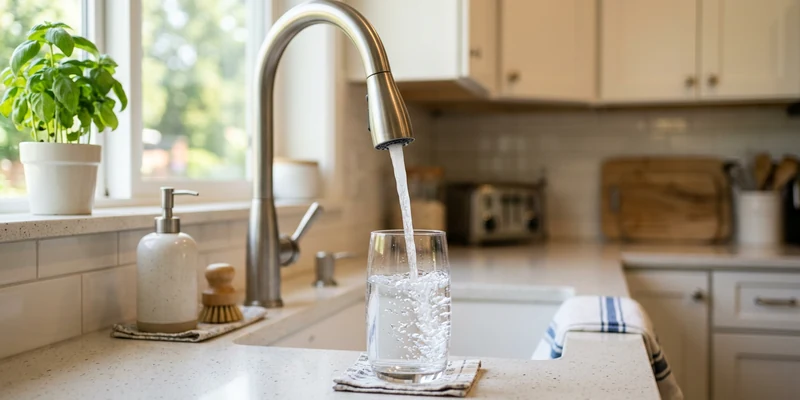 Well Water Problems ›
The sulfur smell, orange staining, iron bacteria and water that turns cloudy in the glass.
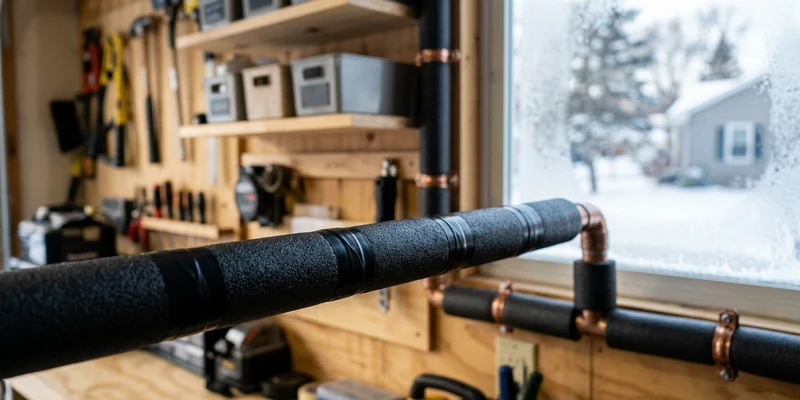 Installation & Care ›
Where each unit belongs in the line, the bypass valve, winterizing and a year round schedule.
Three questions people arrive with
If something changed this week, one of these is usually the door in.
Where this site stops
The EPA does not regulate private wells. That is the reason this site exists, and also the reason it is careful. We explain how the equipment works and what a test result means, so you can have a useful conversation with the people who do the work.
We do not diagnose your water. Anything involving the well casing, the wiring at the pump, or whether your water is safe to drink belongs with a licensed well contractor, a certified laboratory, or your local health department. Where an article touches that line, it says so.