Last updated: August 16, 2026
A change in how your tap water tastes is one of those things that is easy to notice and hard to explain on your own. Two of the most common complaints, a chlorine-like taste and a flat plastic taste, actually come from fairly different sources, and telling them apart helps you figure out whether it is something to live with, something to filter out, or something worth having tested.
This guide walks through what typically causes each taste, what it does and does not tell you about your water, and when a taste complaint is worth following up with an actual lab test rather than a guess. Whether the complaint is water tastes like chlorine, water tastes like plastic, a general chlorine taste in water, or specifically that tap water tastes like plastic, the questions below cover both directions.
Quick Answer
Why does my water taste like chlorine or plastic?
- A chlorine taste on municipal water usually comes from the disinfectant added at the treatment plant, and the level can vary by season and by how far you live from the plant.
- A plastic taste is often linked to PEX or other plastic plumbing, especially in newer homes, and it commonly fades on its own over the first few months of regular use.
- These are taste complaints, not lab results. If a taste is new, strong, or does not fade, a certified laboratory test is the way to find out what is actually behind it.
Chlorine Taste vs. Plastic Taste at a Glance
These two complaints tend to point in different directions, so it helps to separate them before deciding what to do next.
| Symptom | Likely source | What tends to help |
|---|---|---|
| Sharp, pool-like taste or smell | Chlorine or chloramine disinfectant in municipal water | Carbon filtration, or letting water sit uncovered briefly |
| Flat, waxy, or plastic-like taste | Newer PEX or other plastic plumbing, especially in new construction | Running cold water regularly; taste often fades over months |
| Taste that appeared suddenly on well water | Not typically chlorine related; worth testing rather than guessing | Certified laboratory water test |
| Taste paired with an odor change too | Could point to a different issue entirely | See our sulfur smell guide if the odor is egg-like |
Why Municipal Water Can Taste Like Chlorine
Water utilities add chlorine or a related compound called chloramine to disinfect water before it reaches your home, and that disinfectant is exactly what most people are tasting when they describe tap water as tasting like a swimming pool. The level can shift with the season, with the source water, and with how far your home sits from the treatment plant, which is why the same household can notice more or less chlorine taste at different times of year.
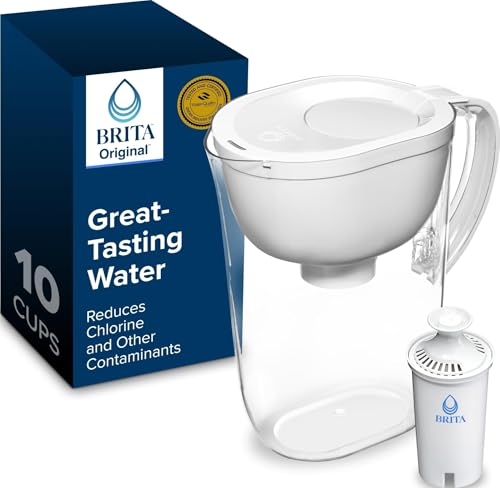
A pitcher or countertop carbon filter reduces chlorine taste noticeably for most households, and letting a glass of water sit uncovered for a while also lets some chlorine dissipate naturally. If the taste is strong enough to be genuinely unpleasant on a regular basis, a whole house carbon filtration stage is a more permanent fix than treating it glass by glass.
Why Newer Plumbing Can Cause a Plastic Taste
PEX piping has become one of the most common materials in new residential plumbing, and it is a frequent source of a flat or plastic taste, particularly in homes that are brand new or recently repiped. The taste comes from compounds in the material that can leach into water sitting in the pipe, and it tends to be most noticeable with the first draw of the day, after water has sat in the line overnight.
The good news is that this taste is usually temporary. Running water regularly through new plastic plumbing for the first few months typically reduces the taste considerably as the pipe’s surface stabilizes. If a plastic taste shows up in a home with older plumbing that never had this issue before, that is a different situation and worth a closer look rather than assuming it will fade the same way.
What a Taste Complaint Does Not Tell You
It is worth being clear about what taste actually indicates. A taste is a sensory observation, not a laboratory result, and it cannot confirm on its own what is or is not in your water. Chlorine taste points toward disinfectant level, and plastic taste points toward plumbing material, but neither one is a substitute for actual testing if you want a definitive answer about water quality.
This matters most on well water, where there is no municipal treatment plant adding a known disinfectant, so a new or unusual taste has a wider range of possible explanations. If you are on a well and notice a taste change you cannot immediately explain, our well water testing guide covers what a full test panel checks and how often to run one.
When Filtration Makes Sense
If chlorine taste is the recurring complaint and you have confirmed that is genuinely the source, a carbon filtration stage, either at the point of use or for the whole house, is a straightforward way to address it going forward. Our whole house water filter guide and reverse osmosis system guide both cover filtration options that reduce chlorine taste, at different scales depending on whether you want it addressed at every tap or just at the kitchen sink.
Plastic taste from new plumbing generally does not call for a filtration purchase, since it tends to resolve with normal use over time. Save that decision until you know whether the taste is actually fading as expected.
Other Taste Complaints Worth Knowing Apart
Chlorine and plastic are the two most commonly reported taste complaints, but they are not the only ones. A metallic taste is a different signal entirely, often tied to iron or to corrosion inside older metal piping, and it is worth treating as its own question rather than lumping it in with chlorine or plastic. A sulfur or rotten-egg smell paired with a taste change points somewhere else again, usually toward hydrogen sulfide from a well source rather than either disinfectant or plumbing material.
Keeping these apart matters because the fix for one does nothing for another. A carbon filter aimed at chlorine will not touch a metallic taste from corroding pipe, and neither will help with a sulfur odor issue, which is why identifying the actual taste or smell as specifically as possible is the useful first step before spending money on a fix.
Common Mistakes to Avoid
- Assuming any off taste means the water is unsafe. Taste alone does not confirm a health concern one way or the other; testing does.
- Buying a filtration system before confirming the source of the taste. A plastic taste from new plumbing does not need a chlorine-focused filter.
- Ignoring a sudden taste change on well water. Municipal chlorine is a known, expected variable; well water taste changes deserve more scrutiny.
- Giving up on new PEX plumbing too soon. Plastic taste in a new home commonly fades with regular use over the first few months.
- Skipping a lab test when a taste persists. If a taste is strong, new, or not improving, testing gives you an actual answer instead of a guess.
Frequently Asked Questions
Is it safe to drink water that tastes like chlorine? Chlorine taste on municipal water reflects the disinfectant level added at treatment, and utilities operate within regulated limits. If the taste bothers you, a carbon filter reduces it, and a certified lab test can confirm your specific water quality if you want more certainty.
Why does my new house’s water taste like plastic? Newer PEX or other plastic plumbing can leach compounds that affect taste, especially in the first months after installation. This commonly fades with regular water use as the pipe surface stabilizes.
How long does plastic taste from new pipes last? It varies by household, but many homeowners notice the taste fading over the first few months of normal water use. If it has not improved after several months, it is worth having the water tested.
Does boiling water remove chlorine taste? Boiling can reduce chlorine somewhat since it is volatile, but it is not a practical daily solution. A carbon filter is a more consistent fix for ongoing chlorine taste.
Can a water softener fix a chlorine or plastic taste? No. A softener addresses hardness minerals, not taste from disinfectants or plumbing materials. Carbon filtration is the relevant tool for chlorine taste specifically.
Should I test my water if it suddenly tastes different? Yes, especially on well water where there is no municipal treatment explaining the change. A certified laboratory test gives you a real answer rather than guessing based on taste alone.
The Bottom Line
A chlorine taste usually traces back to municipal disinfectant levels, while a plastic taste often points to newer PEX plumbing that tends to fade with regular use. Neither taste confirms a health concern on its own, and if a taste is new, strong, or not improving, a certified laboratory test is the way to get an actual answer instead of a guess.