Last updated: August 16, 2026
A burst pipe from a hard freeze is one of the more expensive surprises a homeowner can come home to, and it is also one of the most preventable. Water expands as it freezes, and a section of pipe with nowhere for that expansion to go is what actually cracks, not the cold itself.
This guide covers the practical steps that protect water lines and a well system through a hard freeze, from insulating exposed pipe to handling the pressure tank, along with the signs that a section of your plumbing is more exposed than you might think. Whether you searched for how to winterize a house generally, or landed here looking specifically for how to drain water pipes for winter, the core prep work is the same.
Quick Answer
How do you winterize water lines before a freeze?
- Insulate exposed pipes in unheated spaces like crawlspaces, garages, and outside walls, and seal drafts that let cold air reach them.
- Disconnect hoses, shut off outdoor spigots, and drain irrigation lines before the first hard freeze.
- Let vulnerable faucets drip during severe cold, and protect the well’s pressure tank if it sits in an unheated area.
Where Pipes Are Most at Risk
Not every pipe in a home faces the same risk. The ones that freeze first are almost always in unconditioned spaces, running along exterior walls, or exposed to outside air in a crawlspace, attic, or garage. Interior pipes surrounded by heated living space rarely freeze because the ambient temperature around them stays well above freezing even during a cold snap.
| Location | Risk level | Typical fix |
|---|---|---|
| Crawlspace and unheated basement lines | High | Foam pipe insulation, sealing vents and drafts |
| Garage-run plumbing | High | Insulation sleeves, keep garage door closed during cold snaps |
| Exterior wall runs | Moderate to high | Insulation, letting the faucet drip during severe cold |
| Outdoor spigots and hose bibs | High | Disconnect hoses, install faucet covers, drain the line |
| Well pressure tank in an unheated space | Moderate to high | Insulation blanket or wrap around the tank |
Insulating Pipes and Sealing Drafts
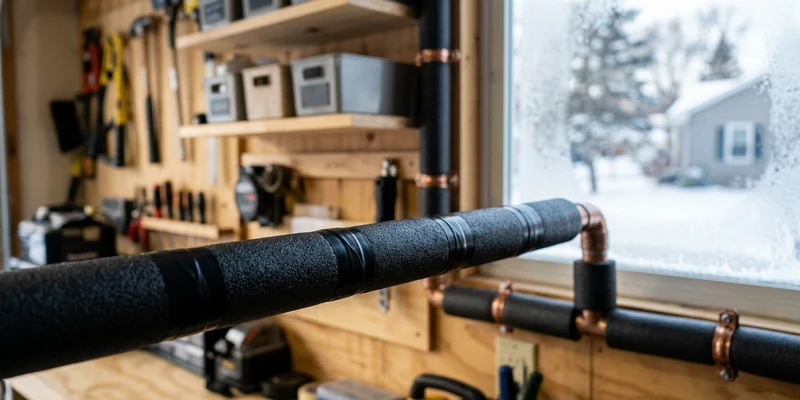
Foam pipe insulation sleeves are the standard fix for exposed lines, and they are inexpensive relative to the cost of a repair after a freeze. Wrap any pipe you can access in a crawlspace, unheated basement, attic, or garage, paying particular attention to sections that run close to an exterior wall or a vent.
Cold air finding its way to a pipe through a gap is often the real cause of a freeze, even on pipes that would otherwise be adequately protected. Check for drafts around crawlspace vents, garage doors, and any place a pipe passes through an exterior wall, and seal obvious gaps with caulk or spray foam before the cold arrives.

Outdoor Spigots, Hoses, and Irrigation Lines
Draining pipes for winter starts outdoors, where exposed spigots and irrigation lines take the brunt of the cold before it ever reaches the interior plumbing.
Disconnect garden hoses before the first hard freeze, since a hose left attached traps water in the spigot and prevents it from draining properly, which is one of the most common causes of a burst outdoor faucet. Once the hose is off, shut off any interior valve that feeds the spigot if your home has one, and open the outdoor faucet briefly to let the line drain.
Irrigation systems need a similar approach, typically draining the lines and blowing out any remaining water with compressed air, since a system built for warm-weather use is rarely designed to handle water sitting in it through a freeze. A faucet cover adds an extra layer of protection for spigots that stay exposed.

Protecting a Well System Through Winter
A deep well itself is less likely to freeze, since the water sits below the frost line, but the pressure tank and any exposed piping between the well and the house are a different story. If the pressure tank sits in an unheated pump house, garage, or outbuilding, wrapping it in an insulation blanket or foam wrap reduces the risk considerably.
Vibration and unusual noise in the plumbing sometimes show up alongside cold-weather stress on a system, particularly if a pressure tank has been sitting in a cold space for an extended period. If you notice banging or vibrating pipes on top of freeze concerns, our guide to water hammer covers what that noise usually means and how it differs from a freeze-related issue.
When to Let a Faucet Drip
A slow, steady drip keeps water moving through a pipe, and moving water is considerably more resistant to freezing than water sitting still. Reserve this for severe cold snaps rather than running it all winter, and focus on faucets fed by the pipes you identified as higher risk, particularly anything on an exterior wall or in a marginally heated space.
If your household includes a well pump, be aware that a dripping faucet also means the pump cycles more than usual during that stretch of weather, which is normal and not something to be concerned about on its own.
Keeping an Eye on Things Through a Cold Snap
Preparation before winter reduces the risk considerably, but it does not eliminate the need to pay attention during an actual extended cold snap, especially one colder or longer than usual for your area. Opening cabinet doors under sinks that back onto exterior walls lets warmer room air reach the pipes underneath, which is a simple step that costs nothing and helps on the coldest nights.
If your home has an attached garage with plumbing running through it, keeping the garage door closed as much as possible during a cold stretch makes a meaningful difference, since an open garage door lets outside temperatures reach pipes that are otherwise reasonably protected. This is also a good time to check that heat tape, if you have any installed on particularly exposed sections, is plugged in and functioning before you actually need it.

After the Freeze: What to Check
Once temperatures climb back above freezing, it is worth running each faucet in the house briefly to confirm normal flow and checking visually for any new drips or damp spots, particularly around fittings in the areas you identified as higher risk. A pipe that survived a freeze without bursting can still have a hairline crack that only starts leaking once it thaws and the ice inside stops holding a small crack closed.
If a section of pipe did freeze and you are not confident it thawed without damage, shutting off the water to that section until you can inspect or have it inspected is a reasonable precaution rather than waiting to see if a leak appears on its own.
Common Mistakes to Avoid
- Leaving a hose connected to an outdoor spigot. It traps water in the line and is one of the most common causes of a frozen or burst faucet.
- Only insulating the pipes you can see easily. The most vulnerable runs are often tucked into a crawlspace or along an exterior wall.
- Forgetting the well pressure tank. A tank left uninsulated in an unheated space is exposed the same way a pipe is.
- Running a continuous drip on every faucet all winter. Reserve it for genuinely severe cold on your highest-risk lines.
- Waiting until a hard freeze is forecast to start. Insulation and draft sealing take time; do them well before the first cold snap.
Frequently Asked Questions
At what temperature do water pipes freeze? Pipes are generally considered at risk once sustained temperatures drop to around freezing or below, especially for pipes in unheated or poorly insulated spaces where the surrounding air offers little protection.
Should I leave a faucet dripping all winter? No, reserve it for severe cold snaps on your most exposed pipes. Running a continuous drip all season is unnecessary for most of the house and wastes water.
How do I winterize outdoor spigots? Disconnect hoses, shut off any interior valve feeding the spigot if one exists, drain the remaining water, and add an insulated faucet cover for extra protection.
Does a well pressure tank need winter protection? If it sits in an unheated pump house, garage, or outbuilding, yes. An insulation blanket or foam wrap reduces the risk of the tank or its fittings freezing.
What should I do if a pipe freezes but has not burst yet? Shut off the water supply to that section if possible and apply gentle heat to the pipe, such as a hair dryer on low, working from the faucet end toward the blockage. Avoid open flames near any pipe.
Do I need to winterize water lines if I have a well instead of municipal water? Yes. The well itself is usually protected below the frost line, but the pressure tank, above-ground piping, and any exposed sections between the well and the house still need the same freeze protection as municipal plumbing.
The Bottom Line
Winterizing water lines comes down to identifying the pipes most exposed to cold, insulating them, sealing the drafts that reach them, and handling outdoor spigots and a well’s pressure tank the same way. Do the preparation before the first hard freeze rather than during one, and reserve a dripping faucet for genuinely severe cold on your highest-risk lines.
See where pipes are most at risk