Last updated: August 16, 2026
Well pump short cycling, often described simply as a well pump cycling on and off, follows a specific pattern: the pump turns on, runs for a few seconds, shuts off, and then repeats that cycle over and over, sometimes dozens of times an hour. It is different from a pump that simply runs often because a household is using a lot of water, and recognizing the difference is the first step before anyone touches the system.
This guide focuses on identifying well pump short cycling and understanding the handful of things that typically cause it. It stops short of a repair walkthrough on purpose, since the fixes usually involve a pressurized tank, an electrical switch, or the pump itself, and that combination is well suited to a licensed well or pump professional rather than a DIY attempt.
Quick Answer
How do I recognize well pump short cycling?
- The pump switches on and off in rapid succession, often within seconds, rather than running for a normal, longer stretch between starts.
- A waterlogged pressure tank or a misadjusted pressure switch are two of the most common causes, both of which disrupt the normal on-off rhythm the tank and switch are supposed to maintain.
- If cycling is frequent, sudden, or paired with a noticeable pressure drop, that is a good time to bring in a licensed well or pump professional rather than keep watching it happen.
Signs of Well Pump Short Cycling at a Glance
Use this table to compare what you are seeing against the pattern that actually defines short cycling.
| What you notice | Likely meaning | Worth checking |
|---|---|---|
| Pump starts and stops within seconds, repeatedly | Classic short cycling pattern | Pressure tank air charge and switch settings |
| Pump runs longer but more often than usual | May just reflect higher household water use | Whether demand actually increased recently |
| Cycling paired with a pressure drop | Could point beyond the tank or switch to the pump or well | A licensed well or pump professional’s diagnosis |
| Cycling that started suddenly | More likely a specific component failure than gradual wear | Recent changes, plumbing work, or storms |
What Short Cycling Actually Looks Like
A healthy well system fills the pressure tank, then goes quiet for a stretch while the tank supplies water on its own, then repeats. Well pump short cycling breaks that rhythm: the pump starts, barely gets going, and shuts off again almost immediately, sometimes so often it becomes a background hum in the house.
This pattern matters because it puts far more wear on the pump’s motor and switch contacts than normal operation. A pump built to start a handful of times a day is not designed for dozens of starts an hour, which is why recognizing the pattern early is worth doing even before you know the exact cause.
The Most Common Cause: A Waterlogged Pressure Tank
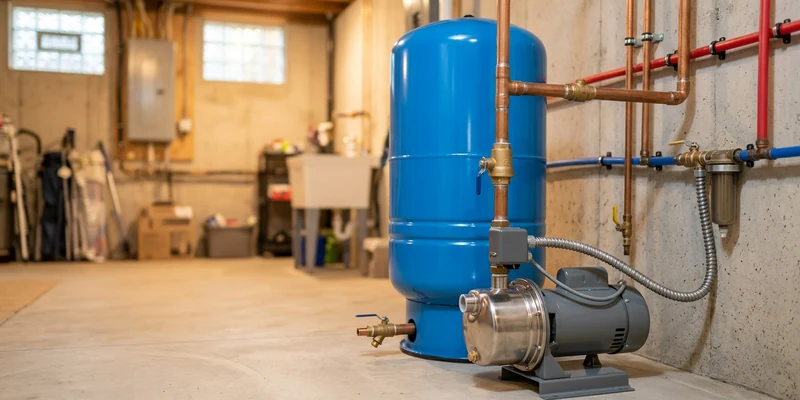
When a well pressure tank loses its air charge, it can no longer store much of a usable reserve, which means the pump has to restart almost as soon as it stops. This is the single most frequently cited cause of short cycling, and it is often confirmed by checking the tank’s air precharge once the system has been properly depressurized. Our pressure tank guide explains how that air charge is supposed to work.
An undersized tank for the pump’s flow rate can produce a similar pattern even with a healthy air charge, simply because there is not enough usable drawdown to satisfy typical household demand between cycles.

A Misadjusted or Failing Pressure Switch
The pressure switch controls exactly when the pump starts and stops, so a switch with too narrow a gap between its cut-in and cut-out points, or one that is failing electrically, can trigger short cycling even with a perfectly good tank. Our guide to well pressure switch settings covers how cut-in and cut-out are supposed to relate to each other.
Because tank and switch problems produce very similar symptoms, distinguishing between them usually means checking both together rather than assuming which one is at fault.
When Short Cycling Points to the Well or Pump Itself
Less commonly, short cycling signals something happening further upstream, a well that is losing capacity, sometimes described as the well running low, or a pump that is struggling and tripping on internal protection. This pattern is more concerning when it appears suddenly or is paired with a noticeable drop in pressure, and it is not something to diagnose by process of elimination on your own.
If you have also noticed reddish slime or an earthy smell, iron bacteria can sometimes interfere with the small pipe connection to the pressure switch; our iron bacteria guide covers those specific signs. In any of these cases, a licensed well or pump professional has the tools to check well yield and pump performance safely.
How to Time What You Are Seeing Before You Call Anyone
Before contacting a professional, it helps to have a rough sense of the pattern rather than a vague impression that “it happens a lot.” Using a phone timer, count how many times the pump starts over a five or ten minute stretch while a single fixture runs steadily, since that isolates the pump’s behavior from normal household demand changes. A pump starting more than a handful of times in that window, especially with only seconds between starts, is a strong indicator of well pump short cycling rather than ordinary use.
It also helps to note whether the pattern is constant throughout the day or seems tied to specific times, like early morning or right after laundry runs, since that detail can help a licensed well or pump professional narrow down whether demand, the tank, or the switch is the more likely factor before they even arrive.
Common Mistakes to Avoid
- Confusing frequent normal use with short cycling. A pump running more often because a household is using more water is not the same pattern.
- Letting short cycling continue for weeks. The repeated stress on the motor and switch contacts adds up quickly.
- Assuming it is always the tank. The switch, an undersized tank, or the well itself can all produce a similar pattern.
- Opening the pressure tank or switch without depressurizing the system first. This is a safety step best handled by a professional.
- Ignoring sudden cycling paired with lower pressure. That combination is more likely to involve the pump or well than a simple tank fix.
Frequently Asked Questions
What exactly counts as well pump short cycling? The pump starting and stopping repeatedly within seconds, rather than running for a normal stretch and then resting while the tank supplies water on its own.
Is well pump short cycling dangerous? It is not an immediate safety issue in most cases, but it accelerates wear on the pump motor and switch contacts, so it is worth addressing rather than ignoring.
What is the most common cause of well pump short cycling? A waterlogged pressure tank that has lost its air charge is the most frequently cited cause, closely followed by a misadjusted pressure switch.
Can short cycling fix itself over time? No. A waterlogged tank or a failing switch will not self-correct, and continued cycling only adds wear to the pump.
How is short cycling different from a pump that just runs a lot? Short cycling is a rapid, repeated on-off pattern within seconds; a pump running often simply because of higher household demand does not show that same rapid pattern.
When should I call a well professional about short cycling? If the pattern is frequent, sudden, or paired with a pressure drop, a licensed well or pump professional can check the tank, switch, and pump together rather than guessing at one part.
The Bottom Line
Well pump short cycling is a rapid, repeated start-stop pattern that most often traces back to a waterlogged pressure tank or a misadjusted pressure switch, though a struggling pump or well can also be involved. Recognizing the pattern early matters because it puts extra wear on the motor and switch with every cycle. Once you have confirmed you are actually seeing short cycling and not just normal frequent use, a licensed well or pump professional is the right next call.