
Last updated: August 16, 2026
“How deep is my well?” is one of those questions that feels like it should have an easy answer, but a lot of well owners genuinely do not know, especially if they bought a home with an existing well rather than having one drilled themselves. Well depth matters for more than curiosity: it affects what type of pump the system needs and can be a clue when something changes.
This guide covers where well depth records typically live, the practical ways to find out how to find out how deep a well is when records are missing, and why guessing at the number is worth avoiding, especially before any pump work. Confirming the actual figure, rather than estimating, is best done through official records or a licensed well contractor.
Quick Answer
How do I find out how deep my well is?
- Check for a well completion report or driller’s log, often kept by the state or county agency that regulates well construction where the well was drilled.
- Ask the seller, a home inspector, or the well contractor who serviced the property, since well depth is frequently noted in real estate or service paperwork.
- If no records turn up, a licensed well contractor can measure well depth directly using proper equipment, which is safer and more accurate than an improvised measurement.
Ways to Find Your Well Depth, at a Glance
Start with the option most likely to give you an exact, documented number before moving to the others.
| Source | How reliable | Where to look |
|---|---|---|
| Well completion report or driller’s log | Most reliable, an official record | State or county well records office, sometimes searchable online |
| Real estate or inspection paperwork | Often reliable if well depth was noted | Closing documents, disclosures, inspection report |
| Previous well or pump contractor | Reliable if they serviced the well before | Service records or a direct call to the company |
| Professional depth measurement | Accurate, done with proper equipment | A licensed well contractor |
Why Well Depth Matters Beyond Curiosity
Well depth is one of the main factors that determines which type of pump a well needs. A submersible pump is typically used for deeper wells, while a shallow well jet pump generally works for wells in a much shallower range, and depth also affects how much lift and horsepower a pump needs to move water to the surface. Choosing or replacing a pump without confirming actual depth is one of the more common reasons a new pump underperforms.
Depth can also matter when troubleshooting, since a well’s static water level, how far below the surface the water sits when the pump is not running, relates to depth but is not the same measurement. Our well pump buying guide covers how depth factors into pump selection specifically.
Start With Official Records
In most states, well drillers are required to file a well completion report or driller’s log with a state or county agency, usually the same one that handles well construction permits. These records often include depth, casing details, and sometimes the aquifer the well draws from, and many states now make at least some of this searchable online by address or parcel number.
If an online search does not turn up anything, contacting the relevant state or county water resources office directly is worth the call, since records for older wells are not always digitized yet even when they exist on paper.
Check Paperwork From Buying or Servicing the Home
Well depth is frequently noted somewhere in the paperwork tied to buying a home with an existing well, whether that is a seller disclosure, a home inspection report, or documentation from a well or septic inspection done at closing. If the well has been serviced since, the pump or well contractor who did the work may have depth on file as well, and a quick call to that company can save a records search entirely.
New well owners are often surprised to find this information already exists somewhere in a folder from the home purchase, so checking those documents first is usually faster than starting with a records office search.
When No Records Exist: Professional Measurement
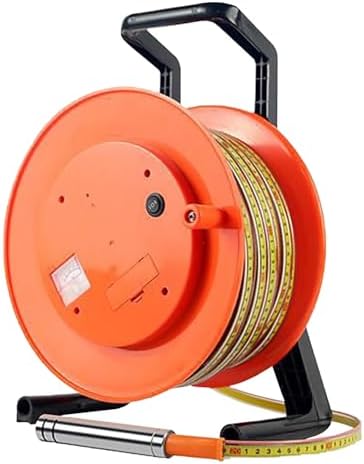
If records genuinely cannot be found, a licensed well contractor can measure well depth directly, typically by lowering a weighted tape or an electronic sounder down the casing until it reaches the bottom. This also gives an accurate static water level reading at the same time, which is useful information on its own.
Improvised measurements, guessing based on how a nearby well was drilled, or estimating from how long a pump cable appears to be, are not reliable enough to base pump selection or troubleshooting decisions on, and working around an open well casing carries its own safety considerations that a professional is equipped to handle.
What Typical Well Depths Look Like
Residential well depth varies enormously by region, local geology, and how deep the usable aquifer sits, so there is no single normal number. Many residential wells fall somewhere in a broad range of roughly 100 to 500 feet, though shallower and considerably deeper wells both exist depending on the area, and some regions commonly see wells well beyond that range. Treat any general figure like this as background context, not a substitute for your well’s actual, documented depth.
Because the range is so wide, a neighbor’s well depth or a rule of thumb from an online forum is not a reliable stand-in for your own well’s records or a professional measurement. Two houses on the same street can sit over different pockets of the same aquifer, or draw from entirely different water-bearing layers, which is part of why local geology matters more than proximity when comparing wells.
Common Mistakes to Avoid
- Guessing at depth before buying a pump. An incorrect estimate is one of the most common reasons a replacement pump underperforms.
- Assuming a neighbor’s well depth applies to yours. Depth varies significantly even within the same general area.
- Overlooking paperwork from the home purchase. Depth is often already documented somewhere in closing or inspection records.
- Improvising a depth measurement. Proper equipment and technique matter for an accurate, safe reading.
- Confusing well depth with static water level. They are related but different measurements, and both matter for pump selection.
Frequently Asked Questions
How deep is my well, and where do I even start looking? Start with a well completion report or driller’s log from your state or county water records office, then check any paperwork from buying or servicing the home.
How do I find out how deep a well is if there are no records? A licensed well contractor can measure it directly using a weighted tape or an electronic sounder, which also gives an accurate static water level reading.
Why does well depth matter for choosing a pump? Depth largely determines whether a submersible or jet pump is appropriate and affects the lift and horsepower a pump needs, covered further in our well pump buying guide.
Is well depth the same as static water level? No. Well depth is how far the borehole goes; static water level is how far below the surface the water sits when the pump is not running. Both matter, but they are different numbers.
What is a typical well depth? It varies widely by region and local geology, with many residential wells falling somewhere in a broad range roughly between 100 and 500 feet; your specific well’s documented depth is more useful than any general figure.
Can I measure my own well depth? It is possible in concept, but proper equipment and safe technique around an open well casing matter, which is why many well owners have a licensed well contractor handle it.
The Bottom Line
Finding out how deep your well is usually starts with a records search, either a state or county well completion report or paperwork from buying or servicing the home, before it requires a professional measurement. Depth genuinely matters for pump selection and troubleshooting, so it is worth confirming rather than estimating. When records are missing, a licensed well contractor can measure it accurately and safely.