Last updated: August 16, 2026
Learning how to shock a well usually starts after a specific trigger: a test came back positive for bacteria, the well was recently worked on, flooding reached the wellhead, or the well has sat unused for a long stretch. Well chlorination, also called shock chlorination, is the standard response, a temporary, elevated dose of chlorine circulated through the well and plumbing to address bacterial contamination.
This guide explains what well disinfection is for, the general sequence the process follows, and why the exact chlorine amount is not something to guess at from a generic online formula. Because shock chlorination involves strong chlorine solution near a drinking water source, and the correct dose depends on your well’s specific diameter and water depth, this is one of the tasks well owners are consistently directed to their local health department or a licensed well contractor for, rather than a one-size-fits-all recipe.
Quick Answer
What does it mean to shock a well?
- A concentrated chlorine solution is introduced into the well and circulated through the casing and household plumbing to disinfect against bacterial contamination.
- The chlorinated water sits in the system for a set period, commonly overnight, before being flushed out through outdoor spigots and then the rest of the plumbing.
- Retesting the water a few days after flushing confirms whether the disinfection worked, since shock chlorination is not something to assume succeeded without a follow-up test.
Well Disinfection at a Glance
This table outlines the general stages of well chlorination as commonly described by extension services and health departments, not a step-by-step recipe to follow without guidance specific to your well.
| Stage | What happens | Why it matters |
|---|---|---|
| Determine the right chlorine amount | Based on well diameter and water column depth | An amount that works for one well can be wrong for another |
| Introduce and circulate the solution | Chlorine solution added to the well, then circulated through the system | Ensures the casing and plumbing are both reached |
| Contact time | Chlorinated water sits in the system, often overnight | Gives the chlorine time to act on bacteria present |
| Flushing | Chlorinated water is run out, usually starting outdoors | Clears chlorine before the water is used normally again |
| Retesting | A follow-up water test after flushing | Confirms whether disinfection actually worked |
When Well Disinfection Is Typically Needed
A positive total coliform bacteria result on a water test is the most common trigger for shock chlorination, and our well water testing guide covers how that annual test typically works. Beyond a positive test, well disinfection is also commonly recommended after a well or pump has been serviced and the casing opened, after flooding that reached or came close to the wellhead, after new well construction, or when a well that has sat unused is being brought back into service.
None of these situations are emergencies in the sense of needing action within minutes, but they are all good reasons to plan a shock chlorination rather than assume the water is fine without checking. Well owners searching for ways to shock chlorinate well systems after any of these triggers are generally looking at the same underlying process, just with a chlorine amount and timeline specific to their own well.
Why the Chlorine Amount Is Not a Fixed Number
University extension publications on shock chlorination consistently base the chlorine amount on two specific measurements: the well’s diameter and the depth of the water column inside the casing, sometimes alongside the volume of the pressure tank and plumbing being treated. A well and casing sized differently from your own will need a different amount, which is exactly why generic online formulas can be misleading if applied without adjustment.
This is also a safety point, not just an accuracy one. Chlorine solution strong enough to disinfect a well is concentrated enough to require care in handling, and getting the amount meaningfully wrong in either direction is a real possibility with a generic guess. Your local health department or extension office publishes dosing guidance calibrated to well dimensions, and a licensed well contractor applies it routinely as part of their work.
The General Sequence, in Broad Terms
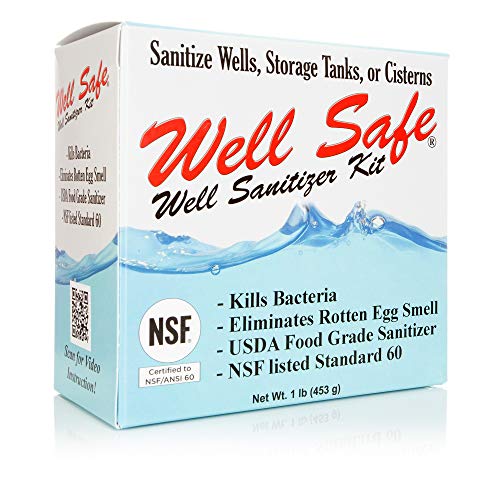
At a high level, published shock chlorination procedures follow a similar shape: chlorine solution is introduced into the well, then circulated so it reaches both the casing and the household plumbing, not just the water sitting in the well itself. The chlorinated water is then left in the system for a contact period, often overnight, before being flushed out, typically starting at an outdoor spigot away from the septic system or landscaping that could be affected by chlorinated discharge.
Only after flushing is complete does water go back to normal household use, and a water test some days later is what actually confirms the disinfection worked rather than assuming it did. Describing this sequence is meant to help you understand what a professional or a supervised process involves, not to serve as a complete instruction set for doing it without guidance calibrated to your well.
DIY Versus Calling a Licensed Well Contractor
Extension services do publish shock chlorination procedures intended for well owners to follow themselves, which means it is not automatically an off-limits task. That said, a lot depends on comfort handling concentrated chlorine safely, confidence in measuring well diameter and water depth accurately, and whether the well has a history of recurring contamination that might point to a structural issue, like a damaged casing or seal, that chlorination alone will not fix.
If a well tests positive repeatedly after shock chlorination, that is a signal to bring in a licensed well contractor to inspect the casing, cap, and seal rather than repeating the same treatment and expecting a different result.
Common Mistakes to Avoid
- Using a chlorine amount from a generic online source without adjusting for your well’s diameter and depth. Extension guidance calibrated to your specific well is more reliable.
- Skipping the retest after flushing. Shock chlorination is not confirmed to have worked without a follow-up water test.
- Assuming one round of shock chlorination fixes a recurring problem. Repeated positive results often point to a structural issue with the casing or seal.
- Flushing chlorinated water near a septic system or sensitive landscaping. Chlorinated discharge can affect both.
- Treating well disinfection as a substitute for testing. Chlorination addresses a specific contamination event; it does not replace routine testing.
Frequently Asked Questions
How do I know if I need to shock a well? A positive total coliform bacteria test is the most common reason, along with recent well service, flooding near the wellhead, new construction, or bringing an unused well back into service.
How much chlorine do I need to shock a well? The correct amount depends on your well’s diameter and water column depth; your local health department or extension office publishes dosing guidance calibrated to those measurements rather than a single universal number.
How long does well chlorination take? The chlorinated water typically needs to sit in the system for a contact period, often overnight, before flushing, and a follow-up test a few days later confirms the result.
Can I shock my own well, or do I need a professional? Extension services do publish procedures intended for well owners, but many people choose a licensed well contractor, especially if they are unsure about measuring the well or handling concentrated chlorine safely.
What if my well tests positive again after shock chlorination? A recurring positive result suggests the well is being contaminated again rather than the chlorination failing, which is a reason to have a licensed well contractor inspect the casing, cap, and seal.
Is well disinfection the same as regular water treatment? No. Shock chlorination is a temporary, elevated treatment aimed at bacterial contamination, separate from ongoing filtration or softening equipment covered in our whole house water filter guide.
The Bottom Line
Shock chlorination, or well disinfection, is the standard response to bacterial contamination, typically triggered by a positive test, recent well service, flooding, or a well coming back into use after sitting idle. The chlorine amount needs to match your well’s specific diameter and water depth, which is why generic formulas are risky and why a local health department, extension office, or licensed well contractor is the right source for the actual dosing. Retesting after flushing is what confirms the process worked.