Last updated: August 16, 2026
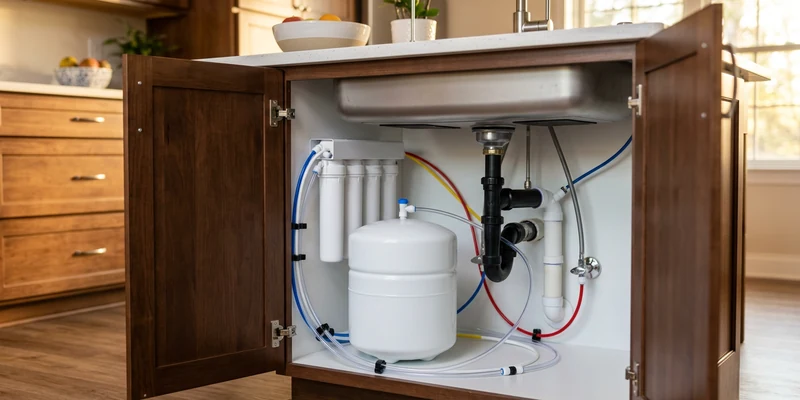
A reverse osmosis system, sometimes shopped for as a reverse osmosis water filter, is the tool most households reach for when a whole house filter has already handled sediment and taste, but the water at the kitchen tap still needs an extra layer of reduction before it goes into a glass. Most residential units are an under sink reverse osmosis setup that pushes tap water through a semipermeable membrane along with several supporting filtration stages, and stores treated water in a small tank for on-demand use.
This guide covers how reverse osmosis actually works, what to check before buying an under-sink unit, and where its certification claims start and stop, since drinking water treatment is not a category where marketing language should stand in for a verified certification.
This article contains affiliate links. If you buy through them, we may earn a commission at no extra cost to you. Learn more.
Quick Answer
Which reverse osmosis system should you buy?
- For most kitchens, a standard multi-stage under-sink system with an NSF/ANSI 58 certification covers general drinking water improvement.
- If under-sink storage space is limited, a tankless RO system trades a smaller footprint for a different installation and flow profile, so check the space requirements carefully.
- If your water test flagged a specific contaminant like lead or nitrate, confirm the system’s certification names that exact contaminant before assuming standard RO handles it.
How Reverse Osmosis Actually Works
Reverse osmosis pushes water through a semipermeable membrane that blocks dissolved solids and many contaminants while letting water molecules through. Residential systems pair that membrane with additional filtration stages, typically sediment and carbon, to protect the membrane from clogging and to handle chlorine taste before the water reaches it. Most systems store finished water in a small pressurized tank so it is available on demand at the tap rather than filtered in real time.
| What to check | Why it matters | What to look for |
|---|---|---|
| Certification | NSF/ANSI 58 covers reverse osmosis system performance | Confirm the specific contaminants tested against your water test results |
| Number of stages | Pre and post filters protect the membrane and refine final taste | Check the manufacturer’s stage count and what each stage targets |
| Storage tank or tankless | Affects under-sink space needed and how water is delivered | Measure your cabinet space before choosing either format |
| Wastewater ratio | RO systems produce some wastewater during filtration | Check the manufacturer’s stated ratio if efficiency matters to you |
| Membrane replacement | The core filtration component with its own service interval | Confirm replacement membranes are easy to find before buying |
| Faucet and install kit | Determines whether a new tap hole is needed | Check whether a dedicated faucet is included or sold separately |
If you have not tested your drinking water yet, our water test kit guide covers what to test for and when a certified laboratory, rather than a home strip, is the right next step.
What NSF/ANSI 58 Confirms and What It Does Not
NSF/ANSI 58 is the standard specifically covering reverse osmosis systems, and a certified unit has been tested against defined performance criteria for total dissolved solids reduction, among other measures. A certification under this standard is a meaningful signal that the system does what reverse osmosis is supposed to do, but it does not automatically mean every possible contaminant is addressed.
For contaminants tied to health, like lead, nitrate, PFAS, or bacteria, check whether the specific system’s certification names that contaminant directly, and verify the claim against the NSF or WQA database rather than the box copy. If a water test flags any of these, current EPA drinking water guidance and a certified laboratory are the right references, not a single filter’s marketing claim.
Reverse Osmosis Versus Whole House Filtration
Reverse osmosis and whole house filtration are not competitors, they are usually sequential steps. A whole house water filter treats every tap in the home for sediment, taste, and general water quality, while an under-sink RO system adds a dedicated, more thorough treatment step specifically for water you drink or cook with. Running both means the RO membrane sees cleaner input water and lasts longer as a result.
Two nationally known brands in this space, SpringWell and Aquasana, sell reverse osmosis systems directly and run their own affiliate programs rather than relying on Amazon listings. They are worth comparing against the Amazon-available picks below, particularly if a professionally supported install matters to you.
Our Top Picks at a Glance
How we chose: we compared widely available under-sink reverse osmosis systems on certification, stage count, storage format, and the patterns that repeat across owner feedback. Selections lean on manufacturer specifications and recurring themes in reviews rather than any hands-on trial of our own.
Verify current certification listings directly with the manufacturer before buying, since membrane specifications and tested contaminants can change between product revisions.
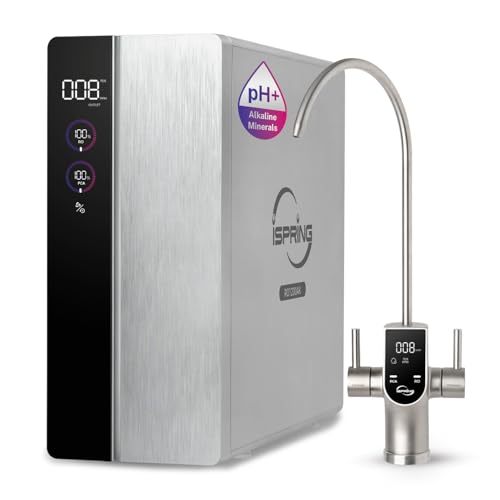
🏆 Best Overall
A standard multi-stage under-sink system with a storage tank, widely used for general drinking water improvement and straightforward cartridge access.
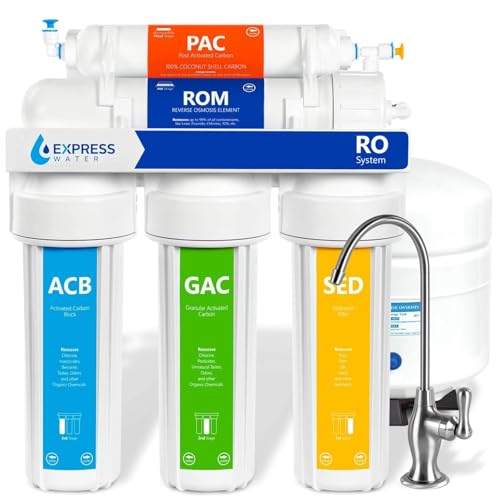
💧 Best Value
A capable entry-level multi-stage RO system that covers the fundamentals without the premium features of higher-tier units.
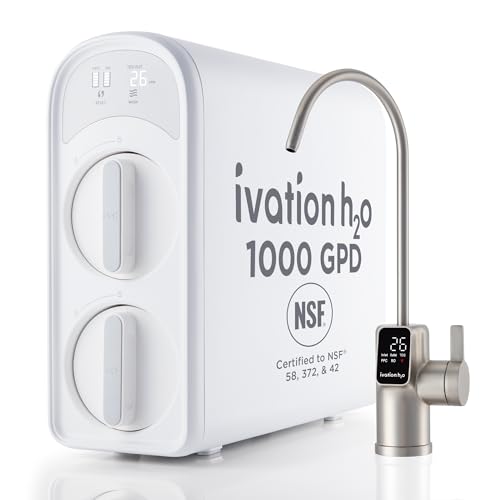
📐 Best for Tight Cabinet Space
A tankless reverse osmosis system that trades the storage tank for a smaller under-sink footprint, worth checking against your own cabinet dimensions.
More Picks by Situation
The three picks above cover most kitchens, but a couple of situations call for a more specific setup.
🔧 Best for Easy Filter Changes
A quick-change cartridge design that speeds up routine stage replacements without needing to disconnect the full housing.

🚰 Best with Dedicated Faucet Included
A complete kit that bundles a dedicated RO faucet, useful for kitchens that do not already have a spare tap hole.
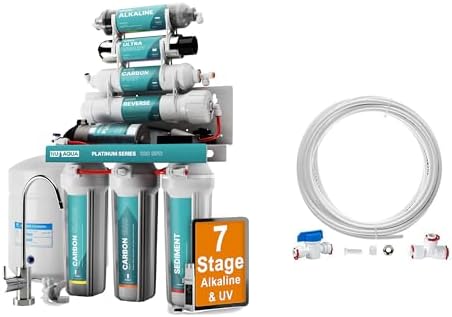
Installation and Ongoing Upkeep
Most under-sink RO systems connect to the cold water line beneath the sink and need a drain connection plus either a dedicated faucet hole or an adapter for an existing one. Many are designed for DIY installation, though a plumber is a reasonable call if your under-sink space is tight or your existing plumbing is unusual.
Filter and membrane replacement follows the manufacturer’s stated interval for each stage, not a single blanket number, since pre-filters typically need changing more often than the membrane itself. Watch for a drop in flow rate at the faucet, which is usually the practical sign that a stage needs attention.
Common Mistakes to Avoid
- Skipping the certification check. Confirm NSF/ANSI 58 certification and match it to what your water test actually found.
- Assuming RO removes everything. No single certification covers every possible contaminant. Check the specific list for the system you are considering.
- Ignoring under-sink space before buying. Measure your cabinet, especially for tank-based systems, before ordering.
- Forgetting the wastewater ratio. RO systems produce some wastewater as part of filtration. Check the manufacturer’s figure if that matters to your household.
- Neglecting filter change intervals. Each stage has its own schedule. Track them separately rather than guessing.
Where to Go From Here
If you have not addressed whole-home issues yet, our whole house water filter guide covers sediment and general taste problems that extend the life of an RO membrane. If hardness is also a factor, see our water softener guide. And if you have not tested your water yet, the water test kit guide is the logical starting point before choosing any treatment equipment.
Frequently Asked Questions
Do I need a whole house filter if I already have reverse osmosis? Often, yes. RO systems typically treat water at one tap, while a whole house filter addresses sediment, taste, and general quality for the entire home, including water the RO membrane never sees, like in showers or laundry.
How long does a reverse osmosis membrane last? It varies by water quality and usage, following the manufacturer’s stated interval for the specific membrane. Pre-filters generally need changing more often than the membrane itself, so track each stage separately.
Does reverse osmosis remove all contaminants from water? No single system removes everything. Check the specific NSF/ANSI 58 certification for the contaminants that system was actually tested against, and match that against your own water test results rather than assuming broad coverage.
Is reverse osmosis water safe to drink? A certified RO system is designed to reduce a range of dissolved solids and contaminants, but no filter claim substitutes for testing your specific water. If your test flags a health-related contaminant, confirm the system’s certification names it directly, and consult EPA drinking water guidance and a certified laboratory for anything uncertain.
Why does a reverse osmosis system produce wastewater? The filtration process rejects concentrated impurities along with some water to flush the membrane rather than letting them build up on it. Manufacturers publish a stated ratio, and it varies by system design.
Can I install a reverse osmosis system myself? Many under-sink systems are designed for DIY installation with basic tools. If your cabinet space is unusually tight or your plumbing setup is nonstandard, a licensed plumber is the safer choice.
The Bottom Line
The best reverse osmosis system is a certified, multi-stage unit sized to fit your under-sink space and matched to what your own water test actually found. NSF/ANSI 58 certification confirms real performance testing, but check that it names the specific contaminants you care about rather than assuming broad coverage. Pair it with whole house filtration upstream, track each filter stage’s replacement schedule, and treat testing as the step that comes before, not after, buying equipment.